How to Choose the Right Dune Buggy for a Dubai Desert Trip
Dubai's desert landscape offers a range of experiences, but few compare to the thrill of riding a dune buggy across the red sands. Whether you are a first-time visitor or a seasoned off-road enthusiast, picking the right vehicle makes the difference between a memorable adventure and a frustrating outing. This guide walks you through the key factors to consider, from seating capacity and engine power to safety gear and rental policies, so you can make an informed choice for your desert outing.
Understand the Desert Terrain
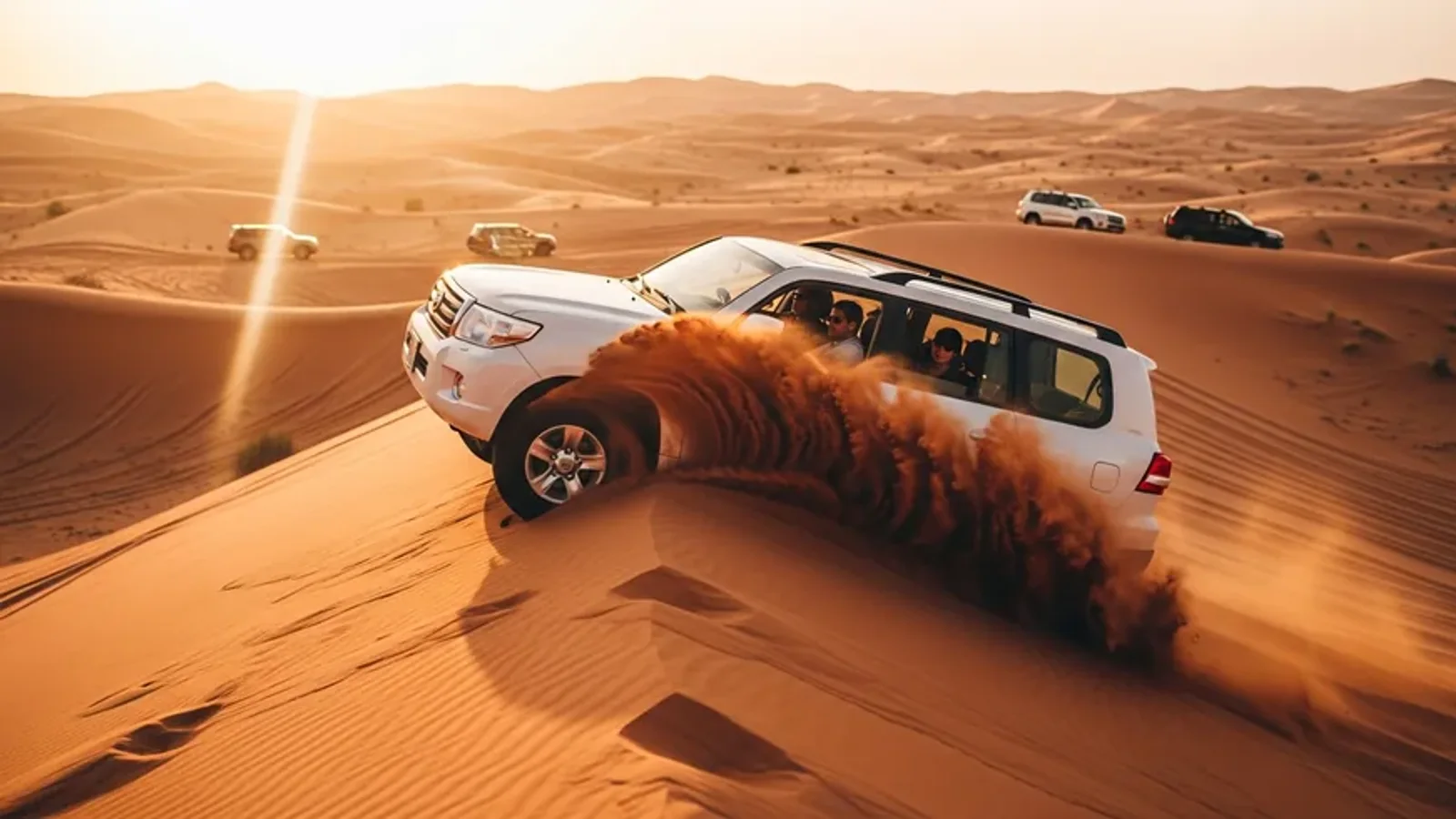
The Dubai desert is not a single flat expanse. It features soft, shifting dunes, hard-packed gravel plains, and occasional rocky patches. A dune buggy designed for this terrain needs good suspension, adequate ground clearance, and tires that provide traction on loose sand. Standard all-terrain buggies work well on firm ground, but if you plan to tackle tall dunes, look for a model with a higher wheelbase and deep-tread tires. The wrong buggy can get stuck easily or handle poorly, especially on steep slopes.
Seating Capacity and Passenger Comfort
Dune buggies come in two-seater and four-seater configurations. Two-seater models are more maneuverable and generally faster, making them a good choice for solo riders or couples who want an active driving experience. Four-seater buggies offer more space and stability, which can be reassuring if you are traveling with family or friends. Keep in mind that a larger buggy may feel heavier on sharp turns and may not climb dunes as nimbly. If you are bringing children, check that the buggy has proper seat belts and that the height requirement for passengers is met. Rental companies usually specify a minimum age or height, so confirm that before booking.
Engine Power and Performance
The engine size directly affects speed, torque, and how well the buggy climbs dunes. Smaller buggies (around 500cc to 800cc) are easier to handle for beginners and are often more fuel-efficient. Larger engines (1000cc and above) provide more power for steep ascents and faster runs across flat sections. However, extra power also means heavier weight and potentially higher fuel consumption. If you are not an experienced driver, a moderately powered buggy is usually safer and more enjoyable. Ask the rental provider about the buggy's horsepower and torque curve, especially if you plan to ride on soft sand where maintaining momentum is critical.
Safety Gear and Helmet Requirements
A helmet is non-negotiable for any dune buggy ride. Most reputable operators include a helmet with the rental, but you should check its condition before setting off. Look for a helmet that fits snugly without being uncomfortable. Some providers also offer goggles, gloves, and padded suits. While these extras may seem optional, they protect against sun, sand, and minor impacts. If you have your own helmet that meets safety standards, you can bring it along. Also confirm whether the rental company provides a roll cage and seat belts that are in good working order. A pre-ride safety briefing is a good sign that the operator takes safety seriously.
Rental Policies and Insurance
Before you book, read the rental agreement carefully. Policies vary widely: some companies include a damage waiver in the price, while others require a security deposit that can be substantial. Ask what happens if the buggy gets stuck or damaged during the ride. Some operators offer a recovery service, but others charge extra for towing. Also check the fuel policy, the duration of the rental, and whether a guide leads the convoy or you go independently. A guided tour often includes a lead vehicle and a sweep vehicle, which adds a layer of safety. If you are renting a buggy for a self-drive experience, make sure you understand the boundaries of the permitted area and any restrictions on speed or dune climbing.
For those planning a desert adventure, the team at classicdesertsafari.com provides information on various rental options and safety practices. Their site can help you compare buggy specifications and understand what to expect from a typical desert ride. Reading about other visitors' experiences can also give you a realistic picture of the terrain and the vehicle's performance.
Extras: Sandboarding and Sunset Safari Combinations
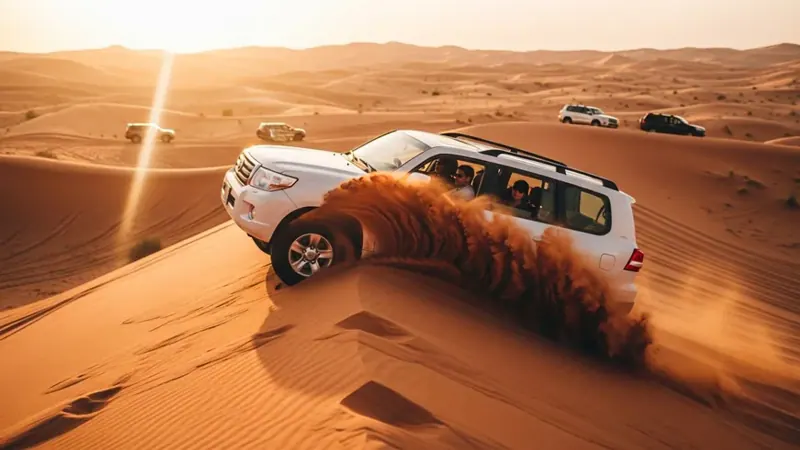
Many rental operators offer packages that combine a dune buggy ride with other desert activities such as sandboarding or a sunset safari. If you want a full desert experience, look for a package that includes a guided buggy ride followed by sandboarding down a dune. The timing matters: sunset safaris often start in the late afternoon, allowing you to catch the golden hour light. A combined package can be more cost-effective than booking each activity separately. However, make sure the buggy ride portion is long enough to satisfy your expectations. Some packages offer only a short loop, while others provide an extended tour through multiple dune fields.
Comparing Different Buggy Models
Not all dune buggies are built the same. Some are modified utility vehicles, while others are purpose-built off-road buggies. Ask the rental provider about the make and model of the buggy you will be driving. Research common issues with that model online. For example, some buggies have manual transmissions that require clutch control, while others are automatic and simpler to operate. If you are renting a buggy for the first time, an automatic model reduces the learning curve. Also inquire about the buggy's suspension type: independent suspension provides a smoother ride over uneven sand, while a solid axle is more durable but can be rougher on bumps.
Preparing for Your Ride
Once you have chosen a buggy, take time to familiarize yourself with its controls. Adjust the seat, mirrors, and steering wheel before you start. Wear light, breathable clothing that covers your arms and legs to protect against sunburn and sand. Bring plenty of water, especially if you are riding during the hotter months. A small backpack with a phone, sunscreen, and a hat is useful. Check the weather forecast: strong winds can reduce visibility and make driving dangerous. If a sandstorm is predicted, it is wise to reschedule. Finally, listen carefully to the safety briefing and follow the guide's instructions during the ride. Staying within the group and maintaining a safe distance from other buggies prevents accidents.
For more detailed guidance on selecting a dune buggy and planning your desert trip, classicdesertsafari.com offers a wealth of information. Their resources can help you match your skill level and preferences with the right vehicle, ensuring a safe and enjoyable experience on the dunes. Whether you are a first-timer or a seasoned rider, taking the time to choose wisely will make your desert adventure truly memorable.
Ends · GETBUGGYDUBAISPARK